 NACDL's Fourth Amendment Center offers direct assistance to defense lawyers handling cases involving new surveillance tools, technologies and tactics that infringe on the constitutional rights of people in America. The Center is available to help members of the defense bar in bringing new Fourth Amendment challenges.
About the Center Training and Webinars Reports and Publications Amicus Briefs Litigation Support
Launched in April 2018, the Fourth Amendment Center seeks to build a robust legal infrastructure to challenge outdated legal doctrines that undermine privacy rights in the digital age. To this end, the Center is available to provide litigation assistance in cases raising new Fourth Amendment concerns, including:
Device Search Reverse Search Warrants Facial Recognition Digital Location Tracking Predictive Policing Body Cameras Government Hacking
Defense lawyers with cases involving any of these issues are encouraged to contact the Center. The Center is available to provide consultations and litigation resources as well as direct assistance in support of a defendant’s Fourth Amendment claims. Specifically, the Center may assist in motion practice, preparation for suppression hearings, appellate strategy, brief writing, and oral argument. The Center also provides group trainings for defense lawyers around the country and upon request.
Learn more about the Center's history and staff.
Featured
Read Now: Omnibus Tech Discovery Checklist
A cross between an issue spotter and a sample discovery demand, this is an all-in-one, cover-your-bases initial discovery checklist for many of the most commonly used categories of technology that you will see in your cases. It is intended to provide a sufficient list for each category to get you on the right track with any of these types of technology and also serve as a potential issue-spotting guide to help you identify what might be at issue in your case
Read Now: Compelled Decryption Primer
The Supreme Court recognized in Riley v. California that cell phones are unlike other objects becasue they contain the most intimate details of life. The Court held that the Fourth Amendment requires law enforcement to get a warrant to search a phone, even incident to arrest. Law enforcement can gain access to devices via consent or digital extraction tools. But when those methods fail, can law enforcement compel someone to produce their passcode? Or provide their biometrics to unlock/decrypt the device? This primer outlines the state of the law and offers a guide for defense lawyers.
Read Now: Protecting Your Digital Devices at the Border
Courts have long made it clear that agents can search the bags of people entering the country. For the past decade or so, U.S. Customs and Border Protection (CBP) has applied that logic to digital devices. NACDL members are uniquely exposed to abuse in this context: digital devices store materials and information subject to the attorney-client privilege and attorney work-product doctrine, as well as information on overseas clients and witnesses, and other extremely sensitive materials that could be covered by Rule 1.6 of the Model Rules of Professional Responsibility.
Reports
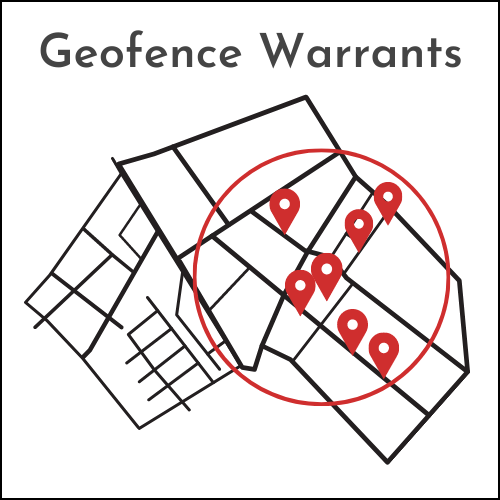
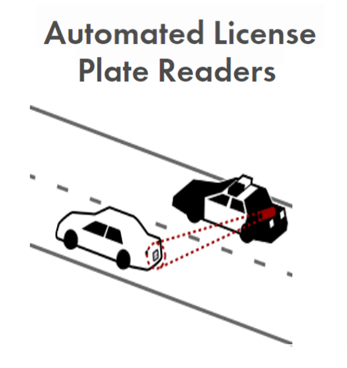.png?lang=en-US)
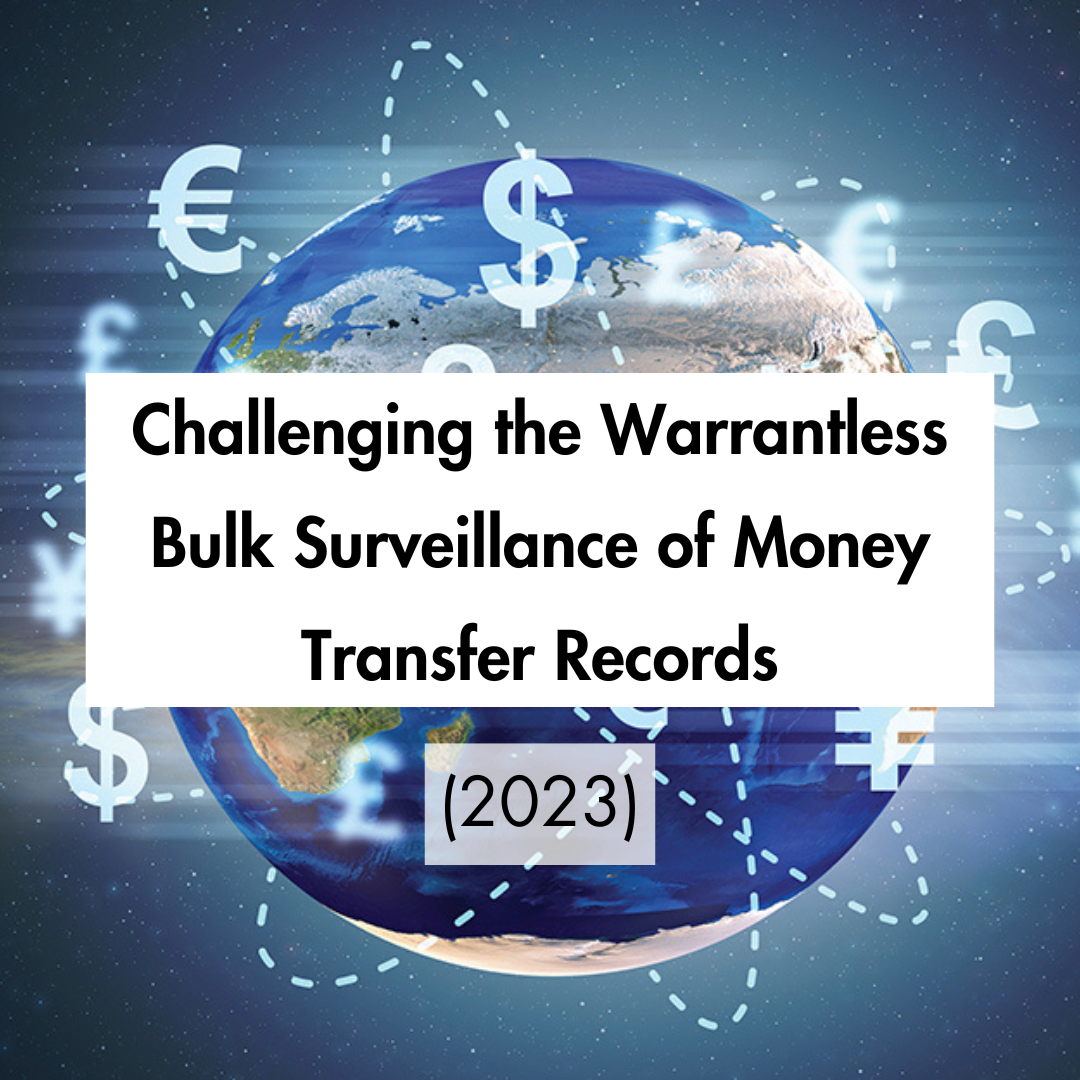
Find the rest of our reports and primers here.
CLE Training and Webinar Library
Code, Culpability, and Constitutional Law: AI in the Criminal Legal System
Artifical intelligence now influences nearly every stage of the criminal process—from data driven policing and digital forensics to sentencing algorithms. Yet the opacity of these tools raises urgent questions about fairness, accountability, and the right to a transparent defense. This symposium explores the ethical and evidentiary implications of AI in criminal law, focusing on algorithmic bias, trade secrets, police surveillance, and the tension between technological innovation and constitutional protections
Phones, Files, and the Fourth: Border Searches and the Attorney-Client Privilege
This webinar is presented by Esha Bhandari, Deputy Director of the ACLU Speech, Privacy, and Technology Project, and Amir Makled, a trial lawyer who specializes in civil rights, personal injury, and criminal defense work.
Artificial Justice: AI, Tech, and Criminal Defense
NACDL’s Fourth Amendment Center and the Center on Privacy & Technology at Georgetown Law hosted a conference and discussed the tools law enforcement use, how to challenge that evidence, and what’s on the horizon. View the recordings below to equip yourself with the knowledge you need to defend clients in an increasingly digital world.
Defense Strategies for Getting (and Challenging) Social Media Evidence
Tiny Constables: Automatic License Plate Readers and the Fourth Amendment
Litigation Support
Need help with a case?
The Center is available to provide consultations and litigation resources as well as direct assistance in support of a defendant’s Fourth Amendment claims. Specifically, the Center may assist in motion practice, preparation for suppression hearings, appellate strategy, brief writing, and oral argument. The Center also provides group trainings for defense lawyers around the country and upon request.